Descrizione
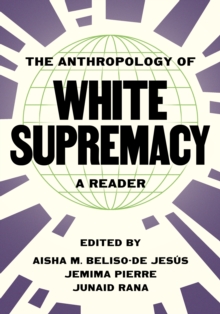
Un’antologia di saggi originali che esaminano la supremazia bianca nel mondo attraverso la lente dell’antropologia. La supremazia bianca, un sistema globale radicato emerso parallelamente al colonialismo europeo, si basa su presunte differenze biologiche e culturali, pratiche razziste, l’ipervalutazione della bianchezza e la svalutazione dei non bianchi. L’antropologia è stata plasmata dalla supremazia bianca e ha contribuito a plasmarla, ma offre anche potenti strumenti per comprendere questo sistema su scala globale. L’antropologia della supremazia bianca raccoglie saggi originali di un gruppo eterogeneo e internazionale di antropologi per esplorare come questo fenomeno funzioni sia all’interno dell’antropologia che nelle strutture culturali e politiche di tutto il mondo. Il libro presenta analisi storiche ed etnografiche su Brasile, Islanda, Giappone, Messico, Nigeria, Palestina, Senegal, Sudafrica e Stati Uniti e affronta i modi in cui la supremazia bianca influenza una vasta gamma di questioni, tra cui finanza, pubblicità e rappresentazioni mediatiche, militarismo, addestramento della polizia, migrazione e sviluppo. L’antropologia della supremazia bianca dimostra non solo come l’antropologia possa aiutarci a comprendere meglio la supremazia bianca, ma anche come la disciplina possa aiutarci a iniziare a smantellarla. Tra i contributori figurano Omolade Adunbi, Samar Al-Bulushi, Aisha M. Beliso-De Jesús, Michael L. Blakey, Mitzi Uehara Carter, Subhadra Mitra Channa, Celina de Sá, Vanessa Díaz, Britt Halvorson, Faye V. Harrison, Sarah Ihmoud, Anthony R. Jerry, Darryl Li, Kristín Loftsdóttir, Christopher A. Loperena, Keisha-Khan Y. Perry, Jemima Pierre, Jean Muteba Rahier, Laurence Ralph, Renya K. Ramirez, Junaid Rana, Joshua Reno, Rhea Rahman, Jonathan Rosa, Shalini Shankar, Shannon Speed e Maria Dyveke Styve.